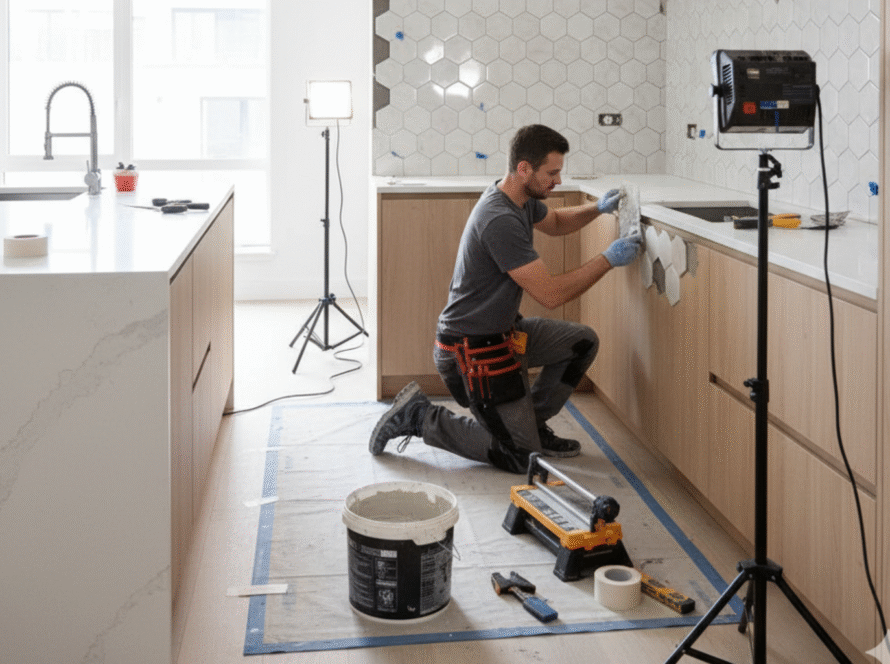
Removing tile from a fireplace is a common home improvement task for homeowners planning an update or preparing for a new fireplace tile installation. Over time, fireplace tiles can become outdated, cracked, or damaged due to heat exposure and regular use. Removing old tiles allows for greater design flexibility and helps create a clean base for a modern finish. Since fireplace tiles are typically installed with heat-resistant mortar, the removal process must be handled carefully to avoid damaging the surface beneath. Proper preparation, safety equipment, and patience are essential before starting.
Understanding the Fireplace Tile Surround
The fireplace tile surround refers to the visible area framing the fireplace opening and often extends onto drywall, cement board, or masonry. Because this area is a focal point in the room, careful tile removal is important to maintain the integrity of the structure underneath. Removing grout before prying helps separate the tiles and reduces pressure on nearby surfaces. Once the grout is cleared, tiles can be gently loosened using a putty knife or flat chisel. Working slowly improves control and minimizes the risk of cracking or surface damage.
Removing Grout Before Tile Removal
Grout acts as a binding agent between tiles and must be removed before applying force. Using a grout saw or oscillating tool helps break grout lines cleanly. Proper grout removal makes it easier to lift individual tiles without disturbing adjacent ones and helps preserve the surrounding material.
When You Need to Replace Fireplace Tiles
Many homeowners decide to replace fireplace tiles instead of repairing individual sections. Full replacement ensures a uniform appearance and improves durability over time. After removing the tiles, any remaining mortar or adhesive should be scraped away to create a smooth and level surface. Skipping this step can result in uneven tile placement and poor adhesion during reinstallation.
Preparing the Surface for New Tiles
Once the tiles are removed, the surface should be cleaned thoroughly and inspected for cracks or damage. Repairs should be completed before installing new materials to ensure proper bonding, heat resistance, and long-term performance.
Removing Tile From a Brick Fireplace
Removing tile from a brick fireplace requires extra care due to the uneven brick surface and strong mortar typically used. Tiles are often firmly bonded, making removal more time-consuming. A hammer and masonry chisel can be used to gently tap behind each tile to loosen it. Directly striking the brick should be avoided, as it may cause chipping or cracks. Taking a slow and controlled approach helps protect the brick structure.
Cleaning Brick After Tile Removal
After tile removal, leftover mortar should be scraped off if the brick will remain exposed or be retiled. Cleaning the brick surface improves appearance and ensures better adhesion for any future upgrades.
Remove Ceramic Tile From a Fireplace Surround
To remove ceramic tile from a fireplace surround, patience is essential. Ceramic tiles are brittle and can crack easily if too much force is applied. Thorough grout removal reduces stress on the tiles during prying. A flat pry bar or wide putty knife distributes pressure evenly, making it easier to remove tiles while minimizing damage to the wall or board beneath.
Tools That Help With Ceramic Tile Removal
Basic tools such as a putty knife, chisel, hammer, grout saw, and safety gear are usually sufficient. Using the right tools improves safety, control, and overall efficiency during the removal process.
Remove Tiles Without Breaking Them
If you plan to reuse tiles or reduce waste, it is possible to remove tiles without breaking them, though this approach requires more time and care. Thin tools should be inserted slowly behind the tile, and steady pressure should be applied instead of forceful prying. In some cases, gentle heat can help soften adhesive, making tile removal easier without cracking.
Tips for Preserving Tiles During Removal
Working slowly, fully removing grout, and avoiding sudden movements significantly increase the chances of keeping tiles intact for reuse or repurposing.
Conclusion
Removing tile from a fireplace is a detailed process that requires careful planning, patience, and the correct techniques. Whether working with a fireplace tile surround, ceramic tiles, or tiles installed over brick, a slow and methodical approach helps protect the underlying surface and prevents unnecessary damage. Proper grout removal, gentle prying, and thorough surface preparation are key steps in achieving a clean result. By following the right removal methods, homeowners preparing for fireplace tile installation Las Vegas can create a solid foundation for a safe, durable, and long-lasting fireplace upgrade.
FAQs
Is it safe to remove fireplace tiles on my own?
Yes, as long as proper safety measures and tools are used.
Can tiles be removed without damaging the fireplace structure?
Careful grout removal and slow prying help protect the underlying surface.
How long does fireplace tile removal take?
It can take a few hours to a full day, depending on tile type and installation method.
Can I install new tiles immediately after removal?
Only after cleaning, repairing, and leveling the surface thoroughly.
Are brick fireplaces harder to work on?
Yes, brick fireplaces require more care due to strong mortar and uneven surfaces.