Tile is one of the most popular choices for Las Vegas homes and commercial spaces because it offers durability, easy maintenance, and a wide range of design options. From porcelain floors and ceramic walls to marble showers and decorative mosaics, tile can completely transform a space when installed correctly.
However, expensive materials alone do not guarantee a successful tile project. Many tile failures happen because of mistakes during preparation, installation, or finishing. A premium porcelain tile can still crack if it is installed on an uneven surface. A beautiful marble shower can develop moisture problems if waterproofing is ignored. Even small installation errors can affect the appearance, strength, and lifespan of a tile surface.
Las Vegas properties have unique conditions that make proper installation even more important. Extreme heat, dry weather, temperature changes, and concrete slab movement can create challenges that require careful planning and professional installation methods.
Understanding common tile installation mistakes can help homeowners, builders, and property owners avoid costly repairs and achieve a durable finished result.
Why Tile Installations Fail Even With Expensive Materials
Many homeowners assume that choosing high-quality tile is the most important part of a successful project. While material quality matters, installation techniques often determine how well the tile performs over time.
The tile depends on several layers working together. The surface underneath, adhesive, grout, waterproofing system, and expansion planning all affect the final outcome. If any part of this process is done incorrectly, problems can appear months or even years later.
Some common reasons tile installations fail include:
| Common Problem | What Can Happen |
| Installing tile over an uneven surface | Tiles may crack, move, or become uneven |
| Using the wrong mortar or adhesive | Tiles may lose their bond and become loose |
| Applying too little mortar | Creates weak areas under the tile |
| Skipping waterproofing | Can lead to moisture damage and mold issues |
| Ignoring expansion and movement | May cause cracked grout or lifted tiles |
| Choosing the wrong grout | Can create staining, cracking, or early wear |
A properly installed standard tile can outperform an expensive tile that was installed incorrectly.
Why Las Vegas Homes Require Special Tile Installation Methods
Las Vegas has a desert climate that creates specific challenges for tile installation. Summer temperatures can become extremely high, while indoor and outdoor temperature differences can create stress on building materials.
Many homes in the area are built on concrete slabs. Although concrete provides a strong foundation, it can naturally expand, contract, or develop small cracks over time. Without proper preparation and movement planning, these changes can transfer directly to the tile surface.
Las Vegas homes also commonly use tile in areas exposed to moisture and heat, including:
- Bathroom floors and shower walls
- Kitchen backsplashes
- Outdoor patios
- Entryways
- Living areas with high foot traffic
Choosing the correct tile material and following proper installation standards helps prevent issues caused by the local environment.
12 Common Tile Installation Mistakes in Las Vegas
1. Installing Tile Without Proper Surface Preparation
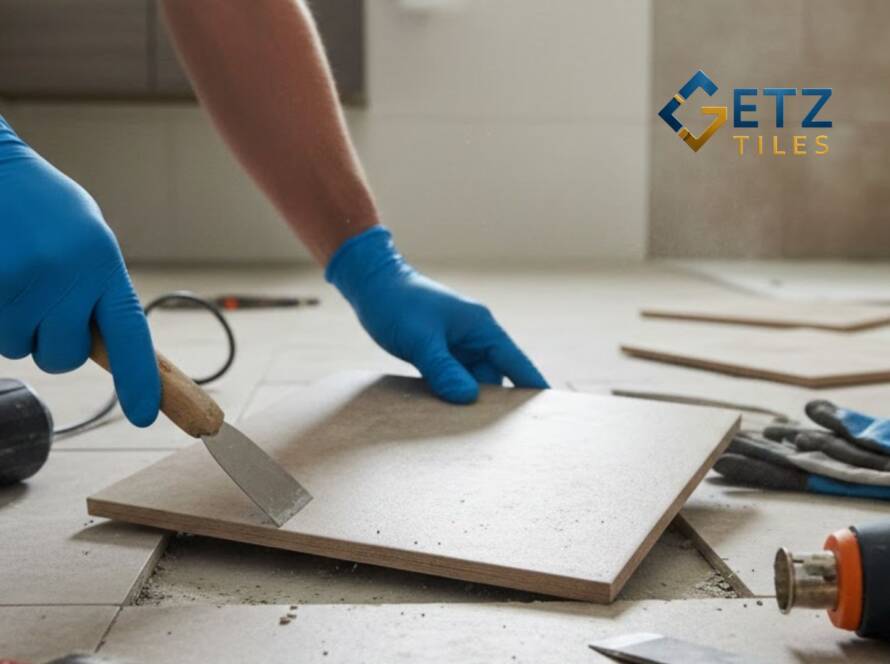
The surface beneath the tile plays a major role in installation quality. Installing tile over dust, cracks, uneven areas, or damaged flooring can lead to loose tiles and visible defects.
Before installation begins, the substrate should be inspected, cleaned, and leveled. Any cracks or weak areas should be addressed before tile placement.
2. Choosing the Wrong Tile Material
Different areas require different tile characteristics. A bathroom shower, outdoor patio, and kitchen floor do not always need the same type of tile.
Porcelain tile is often selected for high-traffic areas because of its strength and low water absorption. Ceramic tile works well for many interior applications. Natural stone materials such as marble, travertine, granite, and slate provide unique appearances but may require additional maintenance and sealing.
Selecting the wrong material can affect safety, durability, and long-term performance.
3. Using Incorrect Mortar or Adhesive
Tile requires the correct bonding material to stay secure. Using the wrong thin-set mortar can result in weak adhesion and tile movement.
Large-format tiles, natural stone, and specialty materials often require specific installation products. Following manufacturer recommendations helps create a stronger bond.
4. Skipping Waterproofing in Wet Areas
The tile itself is water-resistant, but grout lines and joints can allow moisture to pass through. Bathrooms, showers, and wet areas require proper waterproofing behind the tile.
Skipping a waterproof membrane can lead to moisture damage, mold growth, and expensive repairs.
5. Poor Tile Layout Planning
A good tile installation begins with careful planning. Starting without measuring the space properly can result in uneven borders, awkward cuts, and poor visual balance.
Professional layout planning helps create symmetrical patterns and reduces unnecessary material waste.
6. Uneven Tile Spacing and Alignment
Consistent grout lines create a clean and professional appearance. Uneven spacing can make even high-quality tile look poorly installed.
Tile spacers, leveling systems, and regular alignment checks help maintain proper spacing throughout the project.
7. Insufficient Mortar Coverage
Tiles need strong support underneath. If mortar does not cover enough of the tile surface, empty areas can create weak spots.
Over time, these areas may cause cracked tiles, especially under heavy furniture or regular foot traffic.
8. Ignoring Expansion and Movement Joints
Tile naturally expands and contracts as temperatures change. Without proper movement joints, pressure can build beneath the surface.
This may cause cracked grout, lifted tiles, or tile tenting. Movement planning is especially important in larger rooms and areas affected by temperature changes.
9. Using the Wrong Grout
Grout selection affects durability and maintenance. Some areas need moisture-resistant grout, while others may require products designed for heavy traffic.
Using unsuitable grout can result in stains, cracks, and deterioration over time.
10. Rushing the Installation Process
Tile installation requires patience. Walking on newly installed tile or applying grout before the materials have properly cured can weaken the finished surface.
Allowing proper drying and curing time helps protect the installation.
11. Poor Cutting Around Corners and Fixtures
Tile cuts around drains, outlets, cabinets, and corners require accuracy. Poor cuts can create weak points and affect the overall appearance.
Proper measurement and specialized cutting tools help achieve cleaner results.
12. Ignoring Long-Term Maintenance
Even properly installed tile needs regular care. Dirt buildup, damaged grout, and neglected sealing can shorten the life of a tile surface.
Routine cleaning and timely maintenance help protect the investment.
How to Avoid Tile Installation Problems
Avoiding tile problems starts with proper planning. Homeowners should select materials based on the location, understand maintenance requirements, and work with installers who follow proper preparation methods.
Important steps include:
- Inspecting the installation surface before starting
- Choosing suitable tile for each application
- Using quality installation materials
- Applying proper waterproofing in wet areas
- Maintaining consistent grout lines
- Allowing proper curing time
- Following manufacturer guidelines
A careful installation process reduces future repairs and improves the overall appearance of the finished space.
Signs of Poor Tile Installation
Some warning signs of poor tile installation include:
- Cracked tiles
- Hollow sounds when walking across tile
- Uneven tile surfaces
- Loose or shifting tiles
- Cracked grout lines
- Water damage near showers or wet areas
- Uneven grout spacing
- Tiles that are higher or lower than surrounding tiles
These issues may indicate problems beneath the visible surface.
Questions to Ask Before Starting a Tile Project
Before beginning a tile installation project, consider asking:
- What type of tile is best for this area?
- Does the surface require preparation before installation?
- What waterproofing system will be used?
- How will movement joints be handled?
- What type of grout is recommended?
- How long will the installation and curing process take?
- What maintenance will the tile require?
Getting clear answers before work begins can prevent misunderstandings and future problems.
Conclusion
Tile installation is a detailed process that requires more than placing tiles on a surface. Proper preparation, material selection, waterproofing, alignment, and curing all contribute to a durable and attractive result.
Las Vegas homes face unique environmental conditions, making correct installation methods even more important. Avoiding common mistakes helps protect your flooring, walls, and other tiled surfaces while reducing the chances of future repairs.
For homeowners searching for the best tile contractor in las vegas, Getz Tiles provides expert tile installation solutions designed around quality workmanship, proper techniques, and long-lasting results.
Frequently Asked Questions
How long should a properly installed tile floor last?
A well-installed tile floor can last several decades when quality materials are used and proper maintenance is followed.
Why do tiles crack after installation?
Cracked tiles can result from several issues, including movement in the substrate, improper mortar coverage, incorrect installation methods, or lack of expansion planning.
Is porcelain or ceramic tile better for Las Vegas homes?
Both materials can work well. Porcelain is generally more durable and moisture-resistant, while ceramic offers many design options for interior applications.
Does tile installation require waterproofing?
Waterproofing is especially important in areas such as showers, bathrooms, and other spaces exposed to moisture.
What causes grout to crack?
Cracked grout may result from movement, improper installation, incorrect grout selection, or structural changes beneath the tile.