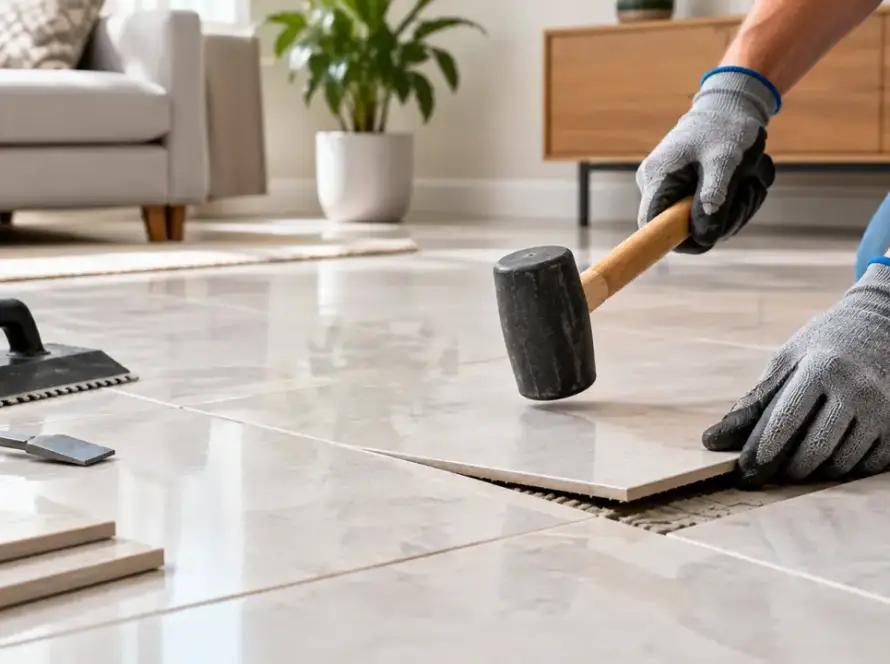
Finding the right tile installer in Las Vegas is not just about getting someone to lay tiles on a floor or wall. It’s about making sure the work holds up for years, looks clean, and doesn’t turn into an expensive repair later. Tile work seems simple on the surface, but the quality depends heavily on preparation, skill, and attention to detail.
Las Vegas homes and commercial spaces deal with unique conditions like dry air, heat, and sudden temperature changes. Because of that, tile installation needs more care than many people expect. A small mistake in leveling, grout, or waterproofing can show up later as cracks or loose tiles.
So the real question is not just who can install tile, but who can do it properly.
What a Tile Installer Actually Does
A tile installer is responsible for more than placing tiles in a pattern. The job includes preparing the surface, checking levels, cutting tiles precisely, setting them with the right adhesive, and finishing the surface with grout and sealing when needed.
Good installers also look at structural issues before starting. If the floor or wall underneath isn’t level, it needs to be corrected before any tile work begins. Skipping this step is one of the most common reasons tile work fails over time.
Start With Experience and Real Project Work
Experience matters more than anything else in tile installation. Someone who has worked on different spaces understands how to handle unexpected issues like uneven subfloors, moisture problems, or tricky layouts.
Before hiring, ask to see real project photos. Not stock images or catalog pictures, but actual completed work. Look closely at grout lines, tile alignment, and corner finishing. These small details tell you a lot about skill level.
Check Knowledge of Different Tile Materials
A strong installer should be comfortable working with multiple tile types such as:
- Ceramic tile
- Porcelain tile
- Marble and natural stone
- Granite
- Travertine
- Slate
- Glass mosaic
- Large format tiles
Each material behaves differently. For example, natural stone needs sealing, while porcelain requires precise cutting tools. If someone treats all tiles the same way, that is usually a red flag.
Why Surface Preparation Matters More Than Tile Itself
Most tile issues usually aren’t caused by the tile itself . They come from what’s underneath.
Proper surface preparation includes:
- Cleaning and leveling the base
- Fixing cracks or weak spots
- Installing cement backer boards in wet areas
- Applying waterproof membranes in showers
- Checking floor flatness before installation
If this step is rushed, even expensive tile will not last.
Ask About Their Installation Process
A reliable installer should clearly explain how they work from start to finish. A basic process usually includes:
- Measuring the area
- Planning tile layout
- Dry fitting or marking layout lines
- Applying adhesive (thin-set mortar)
- Installing tiles with spacing systems
- Cutting edges and corners
- Grouting and cleaning
- Sealing when required
If someone cannot explain this clearly, they may not have enough experience.
Compare Written Estimates, Not Just Prices
Price matters, but it should not be the only factor. A detailed written estimate tells you more than a low number.
A proper estimate should include:
- Labor cost
- Material handling (if included)
- Surface preparation work
- Timeline
- Cleanup
- Warranty terms
Very low pricing often means shortcuts, rushed preparation, or lack of proper tools.
Communication Says a Lot About Quality
Good tile work is a process, not a one-day job. That means communication matters.
A dependable installer will:
- Answer questions clearly
- Explain delays if they happen
- Keep you updated on progress
- Discuss issues before making changes
Poor communication often leads to misunderstandings during the project.
Local Knowledge Matters in Las Vegas
Las Vegas has a dry climate with high heat and temperature shifts. This affects how tile expands and contracts over time.
A local installer understands:
- Expansion joints and where to place them
- Materials that handle heat better
- Moisture control in bathrooms and kitchens
- Proper adhesive selection for dry environments
This type of understanding helps reduce the risk of cracks or tiles coming loose over time
Warning Signs to Avoid
Some signs usually indicate trouble later:
- No written estimate
- No proof of previous work
- Avoiding questions about surface prep
- Asking for full payment upfront
- No mention of warranty
- Poor or inconsistent reviews
If more than one of these appears, it is better to step back.
Expert Tips Before You Decide
- Always check at least two or three installers
- Don’t rush based on availability alone
- Ask how they handle uneven floors
- Confirm who will actually do the work
- Make sure waterproofing is included in wet areas
- Discuss tile layout before installation begins
Small questions early can prevent big problems later.
Common Mistakes Homeowners Make
- Choosing only based on lowest price
- Ignoring preparation work discussions
- Not asking about tile type suitability
- Skipping written contracts
- Overlooking grout and sealing details
- Assuming all installers use the same methods
These mistakes often lead to repairs that cost more than the original job.
Tile Installer Comparison Table
| Factor | Skilled Installer | Low-Quality Installer |
| Surface prep | Fully leveled and waterproofed | Often skipped or rushed |
| Communication | Clear and consistent | Unclear or delayed |
| Estimate | Detailed written breakdown | Verbal or vague pricing |
| Materials | Proper adhesive and grout used | Low-grade materials |
| Warranty | Offered and explained | Not provided |
Final Thoughts
Choosing a tile installer is less about finding someone available and more about finding someone who understands the full process from preparation to finishing. The difference shows in how the surface looks after a few months or even years. Proper planning, material knowledge, and installation technique all work together to create a long-lasting result.
For homeowners and businesses, taking time to compare options and ask the right questions usually leads to better outcomes and fewer future repairs.
If you’re looking for a professional tile Installer in las vegas, Getz Tiles can help you get started with the right guidance and dependable tile installation solutions tailored to your space.
FAQs
How do I know if a tile installer is qualified?
Check their past work, ask about experience with different tile materials, and verify whether they understand surface preparation and waterproofing.
What matters most in tile installation?
Surface preparation is the most important step. If the base is not level or stable, tiles will eventually crack or loosen.
How long does tile installation take?
It depends on the size of the area and complexity. Small rooms may take a few days, while large or detailed projects can take longer.
Should I buy the tile myself or let the installer provide it?
Either option works. Just make sure the installer confirms compatibility with adhesives and layout requirements.
What tile works best in Las Vegas homes?
Porcelain tile is commonly used because it handles heat well and has low water absorption. Natural stone is also used with proper sealing.
Is waterproofing necessary for all tile work?
It is essential in bathrooms, showers, and any moisture-prone areas. Skipping waterproofing can lead to long-term damage.
Can damaged tile be fixed without replacing it completely?
Sometimes yes, if the damage is minor. However, widespread cracks or loose tiles usually require replacement.
What should a tile installation contract include?
It should include scope of work, timeline, pricing, materials, preparation details, and warranty terms.