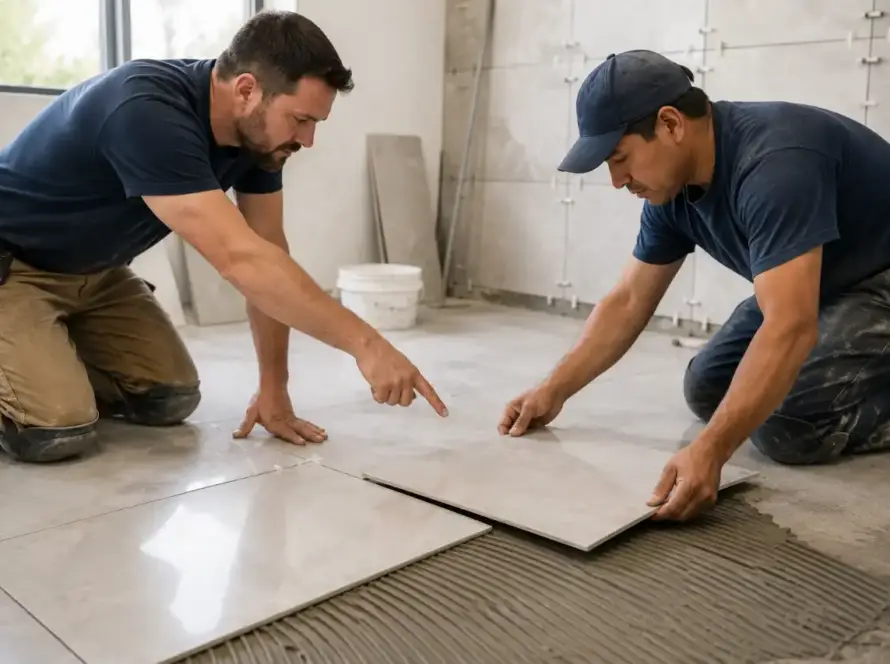
Choosing the right tiles is only one part of a successful bathroom renovation. Proper surface preparation, waterproofing, accurate tile placement, and quality finishing all affect how well a bathtub surround performs over time. Poor installation can lead to loose tiles, cracked grout, moisture damage, and costly repairs.
For homeowners in Las Vegas, hiring a qualified tile contractor means looking beyond attractive project photos and low estimates. It’s important to understand the installation process, check the company’s credentials, and make sure the proposed work meets your bathroom’s needs.
This guide covers the main factors to consider when comparing bathtub tile installation companies, including experience, materials, costs, warranties, and local requirements.
1. Check Experience With Bathtub and Shower Tile Installation
Tiling a bathtub surround calls for specialized skills that differ from those needed for kitchen backsplashes or standard floor tiling. Bathtub surrounds are regularly exposed to water and humidity, so the installer must understand how to prepare the walls, protect vulnerable areas, and finish the tile correctly.
Look for a contractor with experience in bathtub surrounds, shower walls, bathroom renovations, and tile replacement. If you have a particular design in mind, ask whether the company has worked with similar layouts or materials.
Look through images of the contractor’s completed work and carefully examine the finishing details. Straight grout lines, consistent spacing, clean cuts around plumbing fixtures, and neatly finished corners can indicate careful workmanship.
It’s also helpful to ask how the contractor handles unexpected problems, such as damaged wall materials discovered during demolition. A clear explanation of the inspection and repair process can help you understand how the company approaches challenges.
2. Ask About Waterproofing and Moisture Protection
Waterproofing is one of the most important parts of a bathtub tile installation. Tile and grout alone do not create a waterproof wall assembly. Moisture can pass through joints and damage the materials underneath if the underlying system isn’t properly designed and installed.
Ask the installer to explain the waterproofing system they plan to apply before the project begins. Depending on the installation, this may include a compatible sheet membrane, a liquid-applied waterproofing membrane, or another suitable system designed for wet areas.
The contractor should explain how the system protects corners, seams, plumbing openings, and the connection between the wall and bathtub flange. These areas need careful attention because gaps can allow water to reach the underlying structure.
Ask whether the selected system requires testing or inspection before tile installation begins. The installer should follow the manufacturer’s instructions for surface preparation, application, curing, and compatible products.
Grout sealers may help with certain maintenance needs, but they aren’t a substitute for proper waterproofing behind the tile.
3. Verify Contractor Licensing and Insurance in Nevada
Before signing a contract, check whether the contractor holds the appropriate Nevada license for the work being performed. Licensing requirements depend on the project’s scope, so it’s worth confirming the correct classification rather than relying on general claims of experience.
You can verify a contractor’s license status, classification, and applicable monetary limit through the Nevada State Contractors Board.
If your bathroom renovation involves plumbing changes or other specialized work, ask who will handle those tasks and whether additional licenses or permits are required.
Insurance is another factor to consider. Request proof of general liability insurance and confirm that applicable workers’ compensation requirements are met.
Verifying credentials before work begins can help you avoid hiring an unqualified contractor and gives you a clearer understanding of who is responsible for each part of the project.
4. Examine Previous Projects and Installation Quality
A contractor’s portfolio can reveal useful information about the quality of its work. Instead of focusing only on the overall appearance of a bathroom, examine the smaller details that affect the finished installation.
Check whether the tiles appear evenly aligned and the grout joints are consistent. Cuts around faucets, tub spouts, and other plumbing fixtures should look neat. Exposed edges should have suitable trim or finishing, while corners and transitions should appear clean.
If possible, ask to see a completed project in person or speak with homeowners who recently hired the company for similar work.
Consider asking these questions:
- Was the project completed within the agreed timeframe?
- Did the final price match the written estimate?
- Was the work area kept clean and protected?
- Were unexpected repairs explained before extra charges were added?
- Did the contractor respond to concerns after completion?
Photographs and customer references cannot guarantee a perfect result, but they can help you compare companies based on actual work rather than promises alone.
5. Compare Written Estimates and Installation Costs
Requesting written quotes from several contractors gives you a clearer idea of how much your bathtub tile installation may cost. However, the lowest quote may not provide the best value if it excludes essential work or uses materials that aren’t suitable for the installation.
Ask each contractor for a detailed breakdown of the proposed work.
A comprehensive estimate should explain:
- Demolition and disposal: Removal of existing tile and construction debris.
- Surface preparation: Inspection and preparation of the walls before installation.
- Waterproofing: The specified membrane or other suitable waterproofing system.
- Materials: Tile, mortar, grout, trim, and compatible sealants.
- Labor: Tile setting, cutting, grouting, and finishing.
- Repairs: How concealed water damage or damaged wall materials will be addressed.
- Cleanup: Removal of waste and cleaning of the work area.
Ask whether plumbing fixture removal or replacement is included. If demolition reveals hidden damage, the contractor should explain the additional costs and obtain your written approval before proceeding with extra work.
Comparing estimates with the same scope of work makes it easier to understand the actual cost of each proposal and reduces the risk of unexpected expenses.
6. Choose Suitable Tile Materials for Your Bathroom
The best tile depends on your design preferences, budget, maintenance expectations, and the surface being covered. Ceramic, porcelain, and natural stone are common options for bathtub surrounds, but each has different characteristics.
Ceramic and porcelain tiles
Ceramic tiles offer a wide range of colors, patterns, and price points. Porcelain generally has lower water absorption, making it a popular choice for bathroom applications. Both can work well on bathtub surrounds when the selected product is suitable for the application and installed correctly.
Natural stone tiles
Marble, travertine, and other natural stones can create a distinctive appearance. However, some varieties require specialized cleaning products and periodic sealing. Ask about maintenance requirements before selecting a natural stone finish.
Tile size, finish, and grout
Large-format tiles can create a clean, modern look with fewer grout joints, but they require suitable wall preparation and careful handling. Smaller tiles offer flexibility around certain design features but usually involve more grout lines.
The surface finish also affects routine maintenance. In Las Vegas, hard water can leave mineral deposits on bathroom tiles and fixtures. Choosing a practical finish and following the manufacturer’s cleaning instructions can help keep the surface looking good.
7. Read Customer Reviews and Check References
Online reviews can help you assess a company’s reliability, communication, and approach to resolving problems. Check several review platforms rather than relying on a single rating.
Look for recurring comments about workmanship, scheduling, unexpected costs, cleanliness, and follow-up service. A single negative review doesn’t necessarily mean a contractor is unsuitable, but repeated complaints about the same issue deserve attention.
When possible, contact two or three recent customers. Ask whether the completed work matched the original agreement, whether the project stayed close to the expected schedule, and whether the contractor handled unexpected problems professionally.
It’s also worth reviewing how the company responds to criticism. Clear and respectful responses can provide insight into how it approaches customer concerns.
Use reviews alongside license verification, project photographs, and written estimates to develop a more complete picture of the company.
8. Understand the Project Timeline and Work Process
A bathtub tile installation typically involves demolition, surface preparation, waterproofing, tile setting, grouting, and finishing. The time required depends on the size of the area, the tile layout, curing requirements, and whether repairs are necessary.
Ask the contractor for an estimated start date and completion window. The schedule should account for the time required for materials to cure before the next stage begins.
You should also understand how the company will protect the surrounding bathroom. Since removing old tiles produces dust and waste, find out how the contractor will protect nearby flooring, bathroom fixtures, and personal items.
Before work starts, confirm who will remove construction waste and clean the area. Ask when the bathtub can safely be used again, since mortar, grout, and sealants have different curing requirements.
Clear communication about scheduling, site protection, and cleanup helps you prepare for the renovation and reduces misunderstandings.
9. Review the Contract and Warranty Terms
The agreement should outline the project scope, materials to be used, overall cost, payment terms, and expected completion date. It should also explain how changes will be handled if additional work becomes necessary.
Before signing, confirm that the agreement covers demolition, waterproofing, tile installation, finishing, and cleanup. Any important promises made during discussions should be documented in writing.
Ask about the workmanship warranty and find out which issues it covers. For example, determine whether certain installation-related problems, such as loose tiles, are covered, how long the warranty lasts, and how claims are handled.
Remember that a manufacturer’s product warranty differs from a contractor’s workmanship warranty. A product warranty may cover defective materials without covering labor or damage caused by improper installation.
Review payment terms carefully, check applicable Nevada requirements, and avoid paying the entire project cost upfront. Keep copies of the signed contract, receipts, written change orders, and warranty documents for future reference.
10. Consider Local Requirements and Conditions in Las Vegas
Local conditions can influence material selection, project planning, and ongoing bathroom maintenance. In Las Vegas, hard water is a practical consideration because mineral deposits can accumulate on tiles, grout, and plumbing fixtures.
Ask about cleaning methods suitable for your chosen materials. Some cleaning products can damage natural stone or affect certain grout and sealant products, so follow the manufacturer’s recommendations.
You should also confirm whether your renovation requires permits or specialized trades. A straightforward tile replacement may have different requirements from a project involving plumbing relocation or structural repairs. Requirements depend on the work being performed, so check with the relevant local building department when necessary.
Finally, make sure the contractor understands the existing bathroom conditions, including wall materials, bathtub construction, plumbing locations, and ventilation. These details can influence the installation plan and help prevent avoidable problems.
Conclusion
Hiring a bathtub tile installation company in Las Vegas requires more than choosing an attractive design or accepting the lowest estimate. Experience, proper waterproofing, verified credentials, suitable materials, and careful workmanship all contribute to a bathroom that looks good and performs well over time.
Take time to compare detailed estimates, examine previous projects, ask questions about the installation process, and review the contract before work begins. These steps can help you make an informed decision and reduce the risk of avoidable repairs.
Planning a bathroom renovation? Contact Getz Tiles to discuss your project and learn more about working with professional bathtub tile installers in las vegas.
Frequently Asked Questions
How long does bathtub tile installation take?
The timeline depends on the size of the area, the amount of demolition, the tile design, and the curing requirements of the materials. Your contractor should provide an estimated schedule after assessing the project.
Is waterproofing necessary behind bathtub tiles?
Yes, a suitable water-management system is essential for protecting the underlying wall assembly in wet areas. The system should be appropriate for the installation and fitted according to the manufacturer’s instructions and applicable requirements.
How can I compare bathtub tile installation quotes?
Compare written estimates that cover the same work, including demolition, surface preparation, waterproofing, materials, labor, repairs, and cleanup. Ask how additional costs will be handled if concealed damage is discovered.